FREE SHIPPING
PRODUCTS RETURN WITHIN 14 DAYS
NEW SALES AND PROMOS EVERY DAY


Clothing
Footwear
Sneakers
Slip-on Shoes
Oxford Shoes & Moccasins
Ankle Shoes
Running Shoes
Balerinas
Espadrilles
Sandals
Sliders & Flip-Flops
Hiking Shoes
Court Shoes
Boots
Winter Shoes
Slippers
Wellingtons
Accessories
Plus Size

Running Shoes
168 products
Sort by
Sale
In stock
Immediate dispatch
Size
Colour
Material
Brand
Show all filters
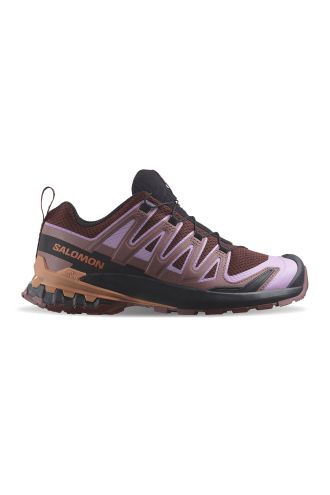


SALOMON
Salomon Aero Blaze 3 GRVL Men's Sneakers
131.25 €
PUMA
Puma ForeverRun NITRO™ 2 sneakers white
140.00 €
GEOX
Geox Kiddartah boys' ankle boots
82.99 €
ASICS
Sneakers Asics Gel-Kayano 20 Grey
170.00 €
Women's Running Shoes – Performance and Style for Every Stride
Discover our exceptional collection of Women's Running Shoes, meticulously designed to empower every female runner. As a cornerstone of our Footwear selection, these shoes are engineered to provide the optimal blend of support, cushioning, and responsiveness, helping you achieve your personal best.
Our 'Bežecká obuv' for women merges innovative technology with athletic aesthetics, ensuring superior comfort and durability across all terrains. Whether you're training for a marathon or enjoying a casual jog, find the perfect pair that combines high-performance features with a style that reflects your individuality.
Why Choose Our Women's Running Footwear?
Investing in the right pair of women's running shoes is crucial for performance and injury prevention. Unlike general athletic shoes, specialized running footwear provides tailored support for your biomechanics, superior impact absorption, and lightweight construction for an unburdened stride.
Our selection features leading brands and innovative designs, ensuring you find models that cater to various running styles and foot types. From vibrant color palettes like rose and turquoise, to classic black and white, you can find a pair that not only performs but also expresses your personal flair.
Unrivaled Comfort, Advanced Performance, and Contemporary Style
Today's women's running shoes utilize advanced materials like engineered mesh textile and responsive polyurethane foams, adapting seamlessly to your foot's movement. This ensures sustained comfort throughout your run, while optimizing energy return and stability. A high-performance running shoe is essential for serious training, while a stylish option allows you to maintain your active look beyond the track.
Your Perfect Pair for Every Run – Road, Trail, or Track
Women's running shoes are versatile, designed to excel in various environments:
- For Road Running – Choose shoes with ample cushioning and a smooth outsole for paved surfaces.
- For Trail Running – Opt for models with aggressive outsoles, enhanced durability, and stability for uneven terrain.
- For Track & Speed Work – Lightweight, minimalist designs with high responsiveness are ideal for speed training and races.
This combination of specialized features makes finding the right women's running shoe a tailored experience for every athlete.
Explore Different Types of Women's Running Shoes
The market offers a wide array of women's running shoe types, each optimized for specific needs and preferences. Understanding these differences will guide you to your perfect match.
How to Select the Ideal Women's Running Shoe for Your Needs
When selecting your running shoes, consider factors such as your foot strike, pronation type, desired cushioning, and preferred running terrain. Pay attention to the shoe's drop, arch support, and overall fit to ensure maximum comfort and efficiency.
Women's Road Running Shoes – Smooth Rides, Mile After Mile
Road running shoes are designed for impact absorption on hard surfaces, offering generous cushioning and a smooth transition through your stride. They typically feature lighter uppers and durable rubber outsoles for traction on asphalt or concrete.
Popular color options include vibrant blue, energetic red, or sophisticated gray. You might also find models in light green for a fresh look.
Key considerations for road running shoes:
- Cushioning – Provides shock absorption and comfort over long distances.
- Stability – Options for neutral runners, overpronators, and underpronators.
- Heel-to-Toe Drop – Affects foot strike and can influence running form.
Women's Trail Running Shoes – Conquer Any Terrain
For off-road adventures, women's trail running shoes offer enhanced grip, protection, and stability. They feature robust outsoles with aggressive lugs, reinforced uppers to shield against debris, and often a rock plate for underfoot protection.
Embrace earthy tones like brown or khaki, or stand out with a bold green or orange design.
Women's Track and Competition Shoes – Unleash Your Speed
Designed for speed and efficiency, track and competition shoes are exceptionally lightweight and responsive. Spikes offer superior traction on track surfaces, while minimalist racing flats provide a direct feel for shorter road races.
These performance-focused shoes often come in striking colors like dark red, yellow, or purple to help you stand out on the starting line.
Key Features of High-Performance Women's Running Footwear
A quality pair of women's running shoes combines advanced engineering with ergonomic design. Beyond aesthetics, crucial elements like material composition, fit, and specific features dictate performance, comfort, and the shoe's lifespan.
For those who love vibrant gear, explore options in multicolor, energetic magenta, or perhaps a chic cream or light blue for a softer palette. You might also find striking yellow mustard designs to add a bold statement to your run.
Materials and Technologies – Engineered for Your Best Run
The core of high-performance women's running shoes lies in advanced materials for breathability, support, and durability. Expect lightweight engineered mesh or advanced synthetic textile for uppers, responsive EVA or polyurethane foams for midsoles, and specialized durable rubber compounds for outsoles.
While primary running footwear prioritizes performance synthetics, some lifestyle or casual running-inspired designs may incorporate natural elements such as soft cotton linings, stylish suede overlays, or premium leather accents for a distinctive look.
| Material/Component | Benefits | Focus Area |
|---|---|---|
| Engineered Mesh Textile | Lightweight, breathable, adaptive fit | Upper for ventilation and flexibility |
| EVA/Polyurethane Foam | Superior cushioning, energy return, shock absorption | Midsole for comfort and performance |
| Durable Rubber | Excellent traction, abrasion resistance | Outsole for grip and longevity |
Fit and Support – Tailored for Your Foot and Running Style
The right fit is paramount. Running shoes offer various levels of support: neutral for runners with minimal pronation, stability for moderate overpronators, and motion control for severe overpronators. Consider the toe box width, arch support, and heel counter to find your perfect match. A snug midfoot with room for toe splay is generally ideal.
Essential Features – From Lacing to Outsole Grip
Details make a significant difference in your running experience. Look for features like advanced lacing systems for a secure fit, padded collars for ankle comfort, and reflective elements for visibility in low light. The outsole pattern should align with your running environment, offering optimal grip and durability.
Caring for Your Women's Running Shoes
Proper care extends the life and maintains the performance of your running shoes. Regular cleaning and appropriate storage will help preserve their integrity, cushioning, and fresh appearance.
Cleaning Your Running Shoes – Preserve Performance and Look
- Remove insoles and laces for separate cleaning.
- Brush off loose dirt with a soft brush (old toothbrush works well).
- Hand wash with mild soap and cold water, focusing on dirty areas.
- Avoid harsh detergents or machine washing, which can damage materials and adhesives.
Drying and Storing – Maximize Lifespan and Freshness
Drying tips:
- Air dry naturally at room temperature, away from direct heat or sunlight.
- Stuff shoes with newspaper or paper towels to absorb moisture and maintain shape.
- Never use a tumble dryer, as high heat can shrink or warp materials.
Storing tips:
- Store in a cool, dry, and well-ventilated area.
- Keep away from extreme temperatures.
- Avoid stacking heavy items on top of shoes to prevent deforming their shape.
| Area of Care | Recommendations | Why it is Important |
|---|---|---|
| Cleaning |
|
Preserves material integrity, prevents deterioration, and maintains aesthetic appeal. |
| Drying |
|
Prevents material shrinkage, warping, and damage to adhesives and cushioning. |
| Storing |
|
Maintains shoe shape, prolongs cushioning life, and prevents material breakdown over time. |
FAQ – Frequently Asked Questions
How often should I replace my running shoes?
Most experts recommend replacing running shoes every 300-500 miles (approximately 480-800 km) or every 4-6 months, whichever comes first. This can vary based on your running style, weight, and the shoe's construction. Look for signs of wear in the outsole and midsole.
What is pronation and why is it important for shoe choice?
Pronation is the natural inward roll of your foot during impact. Proper pronation helps absorb shock. Overpronation (excessive inward roll) or underpronation (insufficient roll) can lead to injuries. Choosing shoes with appropriate stability or motion control features can help correct or accommodate your pronation type.
Should I get a larger size for running shoes?
Many runners prefer a half-size larger than their casual shoes to accommodate foot swelling during runs and prevent toe discomfort. Ensure there's about a thumb's width of space between your longest toe and the end of the shoe.
What's the difference between road and trail running shoes?
Road shoes are designed for smooth, hard surfaces, focusing on cushioning and flexibility. Trail shoes are built for uneven terrain, offering enhanced grip, protection, and stability through aggressive outsole lugs and reinforced uppers.
Can I use running shoes for other sports or walking?
While running shoes are optimized for forward motion, their cushioning and comfort make them suitable for walking. However, for sports requiring lateral movement (like tennis or basketball), dedicated cross-training or sport-specific shoes offer better support and stability.
How do I know if a running shoe fits correctly?
A proper fit means the shoe is snug but not tight in the heel and midfoot, with enough room in the toe box for your toes to wiggle freely. There should be no pinching, rubbing, or slipping. Try them on in the afternoon when your feet are slightly swollen, and preferably with the socks you typically wear for running.
What does "heel drop" mean?
Heel drop (or offset) is the difference in height between the heel and the forefoot of the shoe, measured in millimeters. A higher drop (10-12mm) is common in traditional shoes, while a lower drop (0-6mm) is found in more minimalist or natural running shoes, influencing your foot strike.
Are expensive running shoes always better?
Not necessarily. While higher-priced shoes often incorporate advanced technologies and premium materials, the "best" shoe is highly individual. It's the one that best suits your foot type, running style, and comfort preferences, regardless of price point. Many excellent options are available at various price ranges.
Sort by
Filter
SALOMON
Salomon Aero Blaze 3 GRVL Men's Sneakers
131.25 €
PUMA
Puma ForeverRun NITRO™ 2 sneakers white
140.00 €
GEOX
Geox Kiddartah boys' ankle boots
82.99 €
ASICS
Sneakers Asics Gel-Kayano 20 Grey
170.00 €
Women's Running Shoes – Performance and Style for Every Stride
Discover our exceptional collection of Women's Running Shoes, meticulously designed to empower every female runner. As a cornerstone of our Footwear selection, these shoes are engineered to provide the optimal blend of support, cushioning, and responsiveness, helping you achieve your personal best.
Our 'Bežecká obuv' for women merges innovative technology with athletic aesthetics, ensuring superior comfort and durability across all terrains. Whether you're training for a marathon or enjoying a casual jog, find the perfect pair that combines high-performance features with a style that reflects your individuality.
Why Choose Our Women's Running Footwear?
Investing in the right pair of women's running shoes is crucial for performance and injury prevention. Unlike general athletic shoes, specialized running footwear provides tailored support for your biomechanics, superior impact absorption, and lightweight construction for an unburdened stride.
Our selection features leading brands and innovative designs, ensuring you find models that cater to various running styles and foot types. From vibrant color palettes like rose and turquoise, to classic black and white, you can find a pair that not only performs but also expresses your personal flair.
Unrivaled Comfort, Advanced Performance, and Contemporary Style
Today's women's running shoes utilize advanced materials like engineered mesh textile and responsive polyurethane foams, adapting seamlessly to your foot's movement. This ensures sustained comfort throughout your run, while optimizing energy return and stability. A high-performance running shoe is essential for serious training, while a stylish option allows you to maintain your active look beyond the track.
Your Perfect Pair for Every Run – Road, Trail, or Track
Women's running shoes are versatile, designed to excel in various environments:
- For Road Running – Choose shoes with ample cushioning and a smooth outsole for paved surfaces.
- For Trail Running – Opt for models with aggressive outsoles, enhanced durability, and stability for uneven terrain.
- For Track & Speed Work – Lightweight, minimalist designs with high responsiveness are ideal for speed training and races.
This combination of specialized features makes finding the right women's running shoe a tailored experience for every athlete.
Explore Different Types of Women's Running Shoes
The market offers a wide array of women's running shoe types, each optimized for specific needs and preferences. Understanding these differences will guide you to your perfect match.
How to Select the Ideal Women's Running Shoe for Your Needs
When selecting your running shoes, consider factors such as your foot strike, pronation type, desired cushioning, and preferred running terrain. Pay attention to the shoe's drop, arch support, and overall fit to ensure maximum comfort and efficiency.
Women's Road Running Shoes – Smooth Rides, Mile After Mile
Road running shoes are designed for impact absorption on hard surfaces, offering generous cushioning and a smooth transition through your stride. They typically feature lighter uppers and durable rubber outsoles for traction on asphalt or concrete.
Popular color options include vibrant blue, energetic red, or sophisticated gray. You might also find models in light green for a fresh look.
Key considerations for road running shoes:
- Cushioning – Provides shock absorption and comfort over long distances.
- Stability – Options for neutral runners, overpronators, and underpronators.
- Heel-to-Toe Drop – Affects foot strike and can influence running form.
Women's Trail Running Shoes – Conquer Any Terrain
For off-road adventures, women's trail running shoes offer enhanced grip, protection, and stability. They feature robust outsoles with aggressive lugs, reinforced uppers to shield against debris, and often a rock plate for underfoot protection.
Embrace earthy tones like brown or khaki, or stand out with a bold green or orange design.
Women's Track and Competition Shoes – Unleash Your Speed
Designed for speed and efficiency, track and competition shoes are exceptionally lightweight and responsive. Spikes offer superior traction on track surfaces, while minimalist racing flats provide a direct feel for shorter road races.
These performance-focused shoes often come in striking colors like dark red, yellow, or purple to help you stand out on the starting line.
Key Features of High-Performance Women's Running Footwear
A quality pair of women's running shoes combines advanced engineering with ergonomic design. Beyond aesthetics, crucial elements like material composition, fit, and specific features dictate performance, comfort, and the shoe's lifespan.
For those who love vibrant gear, explore options in multicolor, energetic magenta, or perhaps a chic cream or light blue for a softer palette. You might also find striking yellow mustard designs to add a bold statement to your run.
Materials and Technologies – Engineered for Your Best Run
The core of high-performance women's running shoes lies in advanced materials for breathability, support, and durability. Expect lightweight engineered mesh or advanced synthetic textile for uppers, responsive EVA or polyurethane foams for midsoles, and specialized durable rubber compounds for outsoles.
While primary running footwear prioritizes performance synthetics, some lifestyle or casual running-inspired designs may incorporate natural elements such as soft cotton linings, stylish suede overlays, or premium leather accents for a distinctive look.
| Material/Component | Benefits | Focus Area |
|---|---|---|
| Engineered Mesh Textile | Lightweight, breathable, adaptive fit | Upper for ventilation and flexibility |
| EVA/Polyurethane Foam | Superior cushioning, energy return, shock absorption | Midsole for comfort and performance |
| Durable Rubber | Excellent traction, abrasion resistance | Outsole for grip and longevity |
Fit and Support – Tailored for Your Foot and Running Style
The right fit is paramount. Running shoes offer various levels of support: neutral for runners with minimal pronation, stability for moderate overpronators, and motion control for severe overpronators. Consider the toe box width, arch support, and heel counter to find your perfect match. A snug midfoot with room for toe splay is generally ideal.
Essential Features – From Lacing to Outsole Grip
Details make a significant difference in your running experience. Look for features like advanced lacing systems for a secure fit, padded collars for ankle comfort, and reflective elements for visibility in low light. The outsole pattern should align with your running environment, offering optimal grip and durability.
Caring for Your Women's Running Shoes
Proper care extends the life and maintains the performance of your running shoes. Regular cleaning and appropriate storage will help preserve their integrity, cushioning, and fresh appearance.
Cleaning Your Running Shoes – Preserve Performance and Look
- Remove insoles and laces for separate cleaning.
- Brush off loose dirt with a soft brush (old toothbrush works well).
- Hand wash with mild soap and cold water, focusing on dirty areas.
- Avoid harsh detergents or machine washing, which can damage materials and adhesives.
Drying and Storing – Maximize Lifespan and Freshness
Drying tips:
- Air dry naturally at room temperature, away from direct heat or sunlight.
- Stuff shoes with newspaper or paper towels to absorb moisture and maintain shape.
- Never use a tumble dryer, as high heat can shrink or warp materials.
Storing tips:
- Store in a cool, dry, and well-ventilated area.
- Keep away from extreme temperatures.
- Avoid stacking heavy items on top of shoes to prevent deforming their shape.
| Area of Care | Recommendations | Why it is Important |
|---|---|---|
| Cleaning |
|
Preserves material integrity, prevents deterioration, and maintains aesthetic appeal. |
| Drying |
|
Prevents material shrinkage, warping, and damage to adhesives and cushioning. |
| Storing |
|
Maintains shoe shape, prolongs cushioning life, and prevents material breakdown over time. |
FAQ – Frequently Asked Questions
How often should I replace my running shoes?
Most experts recommend replacing running shoes every 300-500 miles (approximately 480-800 km) or every 4-6 months, whichever comes first. This can vary based on your running style, weight, and the shoe's construction. Look for signs of wear in the outsole and midsole.
What is pronation and why is it important for shoe choice?
Pronation is the natural inward roll of your foot during impact. Proper pronation helps absorb shock. Overpronation (excessive inward roll) or underpronation (insufficient roll) can lead to injuries. Choosing shoes with appropriate stability or motion control features can help correct or accommodate your pronation type.
Should I get a larger size for running shoes?
Many runners prefer a half-size larger than their casual shoes to accommodate foot swelling during runs and prevent toe discomfort. Ensure there's about a thumb's width of space between your longest toe and the end of the shoe.
What's the difference between road and trail running shoes?
Road shoes are designed for smooth, hard surfaces, focusing on cushioning and flexibility. Trail shoes are built for uneven terrain, offering enhanced grip, protection, and stability through aggressive outsole lugs and reinforced uppers.
Can I use running shoes for other sports or walking?
While running shoes are optimized for forward motion, their cushioning and comfort make them suitable for walking. However, for sports requiring lateral movement (like tennis or basketball), dedicated cross-training or sport-specific shoes offer better support and stability.
How do I know if a running shoe fits correctly?
A proper fit means the shoe is snug but not tight in the heel and midfoot, with enough room in the toe box for your toes to wiggle freely. There should be no pinching, rubbing, or slipping. Try them on in the afternoon when your feet are slightly swollen, and preferably with the socks you typically wear for running.
What does "heel drop" mean?
Heel drop (or offset) is the difference in height between the heel and the forefoot of the shoe, measured in millimeters. A higher drop (10-12mm) is common in traditional shoes, while a lower drop (0-6mm) is found in more minimalist or natural running shoes, influencing your foot strike.
Are expensive running shoes always better?
Not necessarily. While higher-priced shoes often incorporate advanced technologies and premium materials, the "best" shoe is highly individual. It's the one that best suits your foot type, running style, and comfort preferences, regardless of price point. Many excellent options are available at various price ranges.