FREE SHIPPING
PRODUCTS RETURN WITHIN 14 DAYS
NEW SALES AND PROMOS EVERY DAY


Clothing
Footwear
Sneakers
Slip-on
Ankle shoes
Running shoes
Hiking shoes
High hiking shoes
Low hiking shoes
Moccasins & Loafers
Sandals
Sliders & Flip flops
Football Boots & Indoor Trainers
Slippers
Winter shoes
Accessories

Hiking shoes
205 products
Sort by
Sale
In stock
Immediate dispatch
Size
Colour
Material
Brand
Show all filters

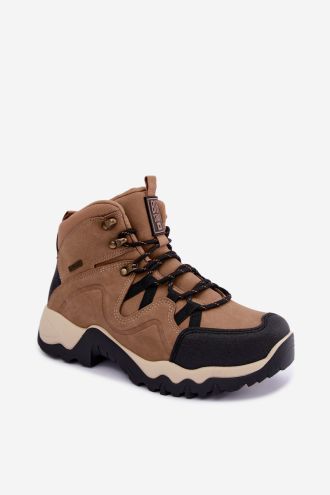
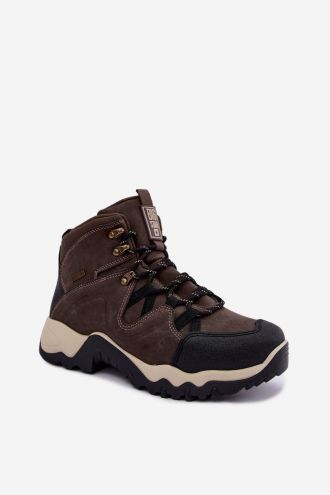
BIG STAR SHOES
BIG STAR men's winter trekking boots
49.99 €
NNORMAL
Men's trail sneakers Nnormal Kjerag Brut Black
220.00 €
GAS
Men's sports shoes GAS white
40.99 €
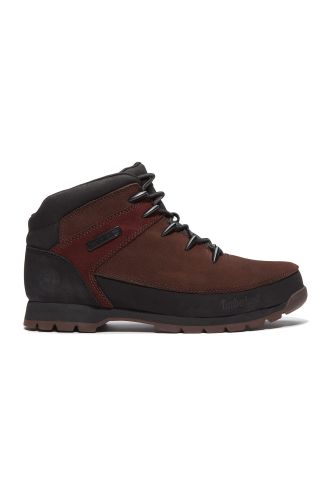
TIMBERLAND
Hiking shoes Timberland Euro Sprint Hiker green
161.25 €
Men's Hiking Shoes – Conquer Every Trail with Confidence
Men's hiking shoes are the foundation of any successful outdoor adventure. As an essential part of your footwear collection, they combine rugged durability, optimal support, and superior comfort. Designed for various terrains and weather conditions, these shoes empower you to explore nature's challenges, from forest trails to mountain peaks.
Modern hiking shoes integrate advanced technologies, premium materials, and ergonomic designs, making them indispensable for both seasoned trekkers and casual walkers. With options ranging from lightweight models for speed to robust boots for extreme conditions, finding the perfect pair to match your specific needs has never been easier.
Why Choose Men's Hiking Shoes?
In the realm of outdoor footwear, men's hiking shoes stand out by offering crucial protection, stability, and comfort. They are specifically engineered to handle uneven surfaces, provide excellent grip, and keep your feet protected from elements like rocks, roots, and moisture. The right pair enhances your performance and ensures safety on the trail.
Whether you're tackling steep ascents or navigating slippery descents, quality hiking shoes offer reliable traction and ankle support. They are built to withstand the demands of the wilderness, ensuring your focus remains on the breathtaking views and the path ahead, rather than discomfort or instability.
Performance, Comfort, and Durability – What Men's Hiking Shoes Offer
Today's hiking shoes feature robust, often waterproof, and highly supportive materials that provide stability and protection. Thanks to innovative sole technologies and cushioned insoles, your feet remain comfortable and protected throughout long treks. Specialized designs also offer enhanced breathability to prevent overheating, ensuring optimal conditions for your feet.
An Ideal Choice for Trails, Mountains, or Everyday Adventures
Hiking shoes are incredibly versatile – you can use them for various outdoor activities:
- For Challenging Trails – with superior grip, ankle support, and robust construction.
- For Leisurely Walks – lighter, more flexible designs offering comfort and versatility for shorter routes.
- For Everyday Outdoor Wear – a stylish yet functional choice for casual walks and outdoor tasks.
This combination of protection and practicality makes men's hiking shoes the perfect choice for any man embracing the outdoors.
Different Types of Men's Hiking Shoes
Men's hiking shoes today come in many styles, cuts, and materials, allowing you to choose exactly according to your planned activity and terrain. The right choice depends on where you want to wear them – for demanding mountain treks, long-distance hikes, or simple walks in nature.
How to Choose the Right Men's Hiking Shoes for Your Adventure
When choosing, it is important to consider the material, fit, and specific features like waterproofing and sole type. For general trail use, you might prefer a versatile model in a classic brown or black. If you want a more vibrant look, options in green or blue are also popular.
Men's Lightweight Hiking Shoes – Agile and Comfortable
Men's lightweight hiking shoes allow you to move quickly and comfortably on less demanding trails. Choose a model that combines modern design, quality textile or suede materials, and a flexible sole. You will appreciate such footwear for day hikes, speed hiking, or general outdoor activities.
Popular options include versatile models in gray for a minimalist style or khaki for a natural, earthy tone. For a bold statement, consider red or orange accents.
When choosing, focus on:
- Material – breathable synthetics, lightweight leather, or advanced textile provide comfort and breathability.
- Cut – low-cut or mid-cut for flexibility and ankle freedom.
- Details – protective toe caps, efficient lacing systems, and comfortable cushioning.
Men's Robust Hiking Boots – Maximum Support and Protection
If you're tackling challenging terrain or carrying a heavy pack, men's robust hiking boots must provide maximum ankle support and protection. For multi-day treks or mountaineering, choose models made of durable, waterproof materials with stiff soles and ample cushioning, often incorporating polyurethane for long-lasting comfort.
Men's Approach Shoes – For Technical Terrains and Scrambling
For technical approaches, scrambling, or light climbing, men's approach shoes offer a balance of climbing shoe precision and hiking boot comfort. They feature sticky rubber outsoles, often extending to the toe, and a low-profile design for better sensitivity and grip on rock. These are ideal when the path involves more than just walking.
Key Features of Quality Men's Hiking Shoes
Quality men's hiking shoes combine performance, durability, and comfort. Pay attention not only to the overall design but also to the materials, construction, and technical details that significantly impact your experience on the trail.
Beyond traditional white, cream, or yellow mustard options, modern hiking shoes often feature practical color schemes like yellow, light blue, light green, turquoise, purple, dark red, rose, magenta, or even multicolor designs for better visibility and style.
Materials – Leather, Textile, Synthetics – Benefits for Protection and Breathability
When choosing men's hiking shoes, the material plays a crucial role. The most commonly used are natural leather, durable textile, and advanced synthetics like polyurethane.
| Material | Benefits | Suitable for |
|---|---|---|
| Leather | Durable, water-resistant, molds to foot, excellent breathability | Long treks, robust protection, varying conditions |
| Textile | Lightweight, highly breathable, quick-drying, flexible | Day hikes, speed hiking, warmer weather |
| Synthetics (e.g., Polyurethane) | Highly durable, often waterproof (with membranes), excellent cushioning | Demanding terrains, wet conditions, long-lasting support |
Fit and Comfort – Secure Lacing, Ankle Support, and Cushioning
The right fit determines your comfort and performance. A roomy toe box is ideal to prevent discomfort during descents and allow for foot swelling. You will appreciate secure ankle support for stability on uneven ground. A balanced design combines flexibility with protective elements for optimal trail performance.
Details – Outsoles, Midsoles, Waterproofing – Functional Elements for Trail Performance
Technical details make all the difference. Aggressive outsoles with deep lugs provide superior traction on mud and loose ground. Midsoles made of EVA or polyurethane offer crucial cushioning and shock absorption. Waterproof membranes (like Gore-Tex) keep your feet dry in wet conditions, while breathable linings ensure comfort.
Care for Men's Hiking Shoes
The key to longevity for your hiking shoes is proper cleaning, drying, and storage. Always follow the manufacturer's recommendations on the label for specific care instructions.
Cleaning Hiking Shoes – Tips for a Longer Material Lifespan
- Brush off loose dirt – use a soft brush after each outing.
- Hand wash with mild soap – avoid harsh detergents to protect materials and membranes.
- Remove insoles – for thorough cleaning and airing.
- Rinse thoroughly – ensure no soap residue remains.
- Re-apply waterproofing – periodically treat with appropriate waterproofing sprays or waxes.
Drying and Storing – How to Preserve the Shape and Quality of Your Footwear
Drying tips:
- Air dry naturally – in a well-ventilated area, away from direct heat or sunlight.
- Avoid tumble dryers or direct heat – this can damage adhesives, leather, and waterproof membranes.
- Stuff with newspaper – to absorb moisture and help maintain shape.
Storing tips:
- Store clean and dry – always ensure shoes are completely dry before storing.
- Use shoe trees – to maintain the shape of leather or suede footwear.
- Keep in a cool, dry place – away from extreme temperatures.
| Area of Care | Recommendations | Why it is Important |
|---|---|---|
| Cleaning |
|
Preserves material integrity, maintains waterproofing, prevents odor and damage. |
| Drying |
|
Prevents damage to materials, adhesives, and membranes; maintains shape. |
| Storing |
|
Maintains shape, prevents material degradation, and extends overall lifespan of the footwear. |
FAQ – Frequently Asked Questions
How to choose the right hiking shoe size?
It's crucial to try them on with your typical hiking socks. Ensure there's about a thumb's width of space between your longest toe and the end of the shoe. Your heel should feel secure, and your foot shouldn't slide forward on descents. Feet can swell during activity, so consider trying them on later in the day.
Why is ankle support important in hiking shoes?
Ankle support, particularly in mid- or high-cut boots, helps protect against sprains and twists on uneven terrain. It provides stability and reduces fatigue during long hikes, especially when carrying a pack. However, lower-cut shoes offer more agility for lighter trails.
How do I break in new hiking shoes?
What makes a hiking shoe waterproof?
Waterproof hiking shoes typically feature an internal membrane (like Gore-Tex or similar technologies) laminated between the outer material and the lining. This membrane has microscopic pores that are small enough to block water molecules but large enough to allow vapor (sweat) to escape, keeping your feet dry and relatively breathable.
Are hiking shoes suitable for running?
While some lightweight hiking shoes might share similarities with trail running shoes, dedicated hiking shoes (especially boots) are generally too stiff and heavy for running. They are designed for stability and support during walking, not the dynamic movement and cushioning required for running. For trail running, opt for specialized trail running shoes.
Who benefits most from wearing hiking shoes?
Anyone venturing into natural environments, from casual day hikers and backpackers to mountaineers and outdoor workers. They are essential for protecting your feet, providing stability, and enhancing comfort on varied terrain, ensuring a safer and more enjoyable outdoor experience.
Is durability key for hiking shoes?
Absolutely. Hiking shoes are exposed to harsh conditions, so durability is paramount. Look for robust outsoles, reinforced toe caps, sturdy uppers (e.g., leather or abrasion-resistant synthetics), and high-quality construction to ensure they withstand miles of rugged use.
Sort by
Filter
BIG STAR SHOES
BIG STAR men's winter trekking boots
49.99 €
NNORMAL
Men's trail sneakers Nnormal Kjerag Brut Black
220.00 €
GAS
Men's sports shoes GAS white
40.99 €
TIMBERLAND
Hiking shoes Timberland Euro Sprint Hiker green
161.25 €
Men's Hiking Shoes – Conquer Every Trail with Confidence
Men's hiking shoes are the foundation of any successful outdoor adventure. As an essential part of your footwear collection, they combine rugged durability, optimal support, and superior comfort. Designed for various terrains and weather conditions, these shoes empower you to explore nature's challenges, from forest trails to mountain peaks.
Modern hiking shoes integrate advanced technologies, premium materials, and ergonomic designs, making them indispensable for both seasoned trekkers and casual walkers. With options ranging from lightweight models for speed to robust boots for extreme conditions, finding the perfect pair to match your specific needs has never been easier.
Why Choose Men's Hiking Shoes?
In the realm of outdoor footwear, men's hiking shoes stand out by offering crucial protection, stability, and comfort. They are specifically engineered to handle uneven surfaces, provide excellent grip, and keep your feet protected from elements like rocks, roots, and moisture. The right pair enhances your performance and ensures safety on the trail.
Whether you're tackling steep ascents or navigating slippery descents, quality hiking shoes offer reliable traction and ankle support. They are built to withstand the demands of the wilderness, ensuring your focus remains on the breathtaking views and the path ahead, rather than discomfort or instability.
Performance, Comfort, and Durability – What Men's Hiking Shoes Offer
Today's hiking shoes feature robust, often waterproof, and highly supportive materials that provide stability and protection. Thanks to innovative sole technologies and cushioned insoles, your feet remain comfortable and protected throughout long treks. Specialized designs also offer enhanced breathability to prevent overheating, ensuring optimal conditions for your feet.
An Ideal Choice for Trails, Mountains, or Everyday Adventures
Hiking shoes are incredibly versatile – you can use them for various outdoor activities:
- For Challenging Trails – with superior grip, ankle support, and robust construction.
- For Leisurely Walks – lighter, more flexible designs offering comfort and versatility for shorter routes.
- For Everyday Outdoor Wear – a stylish yet functional choice for casual walks and outdoor tasks.
This combination of protection and practicality makes men's hiking shoes the perfect choice for any man embracing the outdoors.
Different Types of Men's Hiking Shoes
Men's hiking shoes today come in many styles, cuts, and materials, allowing you to choose exactly according to your planned activity and terrain. The right choice depends on where you want to wear them – for demanding mountain treks, long-distance hikes, or simple walks in nature.
How to Choose the Right Men's Hiking Shoes for Your Adventure
When choosing, it is important to consider the material, fit, and specific features like waterproofing and sole type. For general trail use, you might prefer a versatile model in a classic brown or black. If you want a more vibrant look, options in green or blue are also popular.
Men's Lightweight Hiking Shoes – Agile and Comfortable
Men's lightweight hiking shoes allow you to move quickly and comfortably on less demanding trails. Choose a model that combines modern design, quality textile or suede materials, and a flexible sole. You will appreciate such footwear for day hikes, speed hiking, or general outdoor activities.
Popular options include versatile models in gray for a minimalist style or khaki for a natural, earthy tone. For a bold statement, consider red or orange accents.
When choosing, focus on:
- Material – breathable synthetics, lightweight leather, or advanced textile provide comfort and breathability.
- Cut – low-cut or mid-cut for flexibility and ankle freedom.
- Details – protective toe caps, efficient lacing systems, and comfortable cushioning.
Men's Robust Hiking Boots – Maximum Support and Protection
If you're tackling challenging terrain or carrying a heavy pack, men's robust hiking boots must provide maximum ankle support and protection. For multi-day treks or mountaineering, choose models made of durable, waterproof materials with stiff soles and ample cushioning, often incorporating polyurethane for long-lasting comfort.
Men's Approach Shoes – For Technical Terrains and Scrambling
For technical approaches, scrambling, or light climbing, men's approach shoes offer a balance of climbing shoe precision and hiking boot comfort. They feature sticky rubber outsoles, often extending to the toe, and a low-profile design for better sensitivity and grip on rock. These are ideal when the path involves more than just walking.
Key Features of Quality Men's Hiking Shoes
Quality men's hiking shoes combine performance, durability, and comfort. Pay attention not only to the overall design but also to the materials, construction, and technical details that significantly impact your experience on the trail.
Beyond traditional white, cream, or yellow mustard options, modern hiking shoes often feature practical color schemes like yellow, light blue, light green, turquoise, purple, dark red, rose, magenta, or even multicolor designs for better visibility and style.
Materials – Leather, Textile, Synthetics – Benefits for Protection and Breathability
When choosing men's hiking shoes, the material plays a crucial role. The most commonly used are natural leather, durable textile, and advanced synthetics like polyurethane.
| Material | Benefits | Suitable for |
|---|---|---|
| Leather | Durable, water-resistant, molds to foot, excellent breathability | Long treks, robust protection, varying conditions |
| Textile | Lightweight, highly breathable, quick-drying, flexible | Day hikes, speed hiking, warmer weather |
| Synthetics (e.g., Polyurethane) | Highly durable, often waterproof (with membranes), excellent cushioning | Demanding terrains, wet conditions, long-lasting support |
Fit and Comfort – Secure Lacing, Ankle Support, and Cushioning
The right fit determines your comfort and performance. A roomy toe box is ideal to prevent discomfort during descents and allow for foot swelling. You will appreciate secure ankle support for stability on uneven ground. A balanced design combines flexibility with protective elements for optimal trail performance.
Details – Outsoles, Midsoles, Waterproofing – Functional Elements for Trail Performance
Technical details make all the difference. Aggressive outsoles with deep lugs provide superior traction on mud and loose ground. Midsoles made of EVA or polyurethane offer crucial cushioning and shock absorption. Waterproof membranes (like Gore-Tex) keep your feet dry in wet conditions, while breathable linings ensure comfort.
Care for Men's Hiking Shoes
The key to longevity for your hiking shoes is proper cleaning, drying, and storage. Always follow the manufacturer's recommendations on the label for specific care instructions.
Cleaning Hiking Shoes – Tips for a Longer Material Lifespan
- Brush off loose dirt – use a soft brush after each outing.
- Hand wash with mild soap – avoid harsh detergents to protect materials and membranes.
- Remove insoles – for thorough cleaning and airing.
- Rinse thoroughly – ensure no soap residue remains.
- Re-apply waterproofing – periodically treat with appropriate waterproofing sprays or waxes.
Drying and Storing – How to Preserve the Shape and Quality of Your Footwear
Drying tips:
- Air dry naturally – in a well-ventilated area, away from direct heat or sunlight.
- Avoid tumble dryers or direct heat – this can damage adhesives, leather, and waterproof membranes.
- Stuff with newspaper – to absorb moisture and help maintain shape.
Storing tips:
- Store clean and dry – always ensure shoes are completely dry before storing.
- Use shoe trees – to maintain the shape of leather or suede footwear.
- Keep in a cool, dry place – away from extreme temperatures.
| Area of Care | Recommendations | Why it is Important |
|---|---|---|
| Cleaning |
|
Preserves material integrity, maintains waterproofing, prevents odor and damage. |
| Drying |
|
Prevents damage to materials, adhesives, and membranes; maintains shape. |
| Storing |
|
Maintains shape, prevents material degradation, and extends overall lifespan of the footwear. |
FAQ – Frequently Asked Questions
How to choose the right hiking shoe size?
It's crucial to try them on with your typical hiking socks. Ensure there's about a thumb's width of space between your longest toe and the end of the shoe. Your heel should feel secure, and your foot shouldn't slide forward on descents. Feet can swell during activity, so consider trying them on later in the day.
Why is ankle support important in hiking shoes?
Ankle support, particularly in mid- or high-cut boots, helps protect against sprains and twists on uneven terrain. It provides stability and reduces fatigue during long hikes, especially when carrying a pack. However, lower-cut shoes offer more agility for lighter trails.
How do I break in new hiking shoes?
What makes a hiking shoe waterproof?
Waterproof hiking shoes typically feature an internal membrane (like Gore-Tex or similar technologies) laminated between the outer material and the lining. This membrane has microscopic pores that are small enough to block water molecules but large enough to allow vapor (sweat) to escape, keeping your feet dry and relatively breathable.
Are hiking shoes suitable for running?
While some lightweight hiking shoes might share similarities with trail running shoes, dedicated hiking shoes (especially boots) are generally too stiff and heavy for running. They are designed for stability and support during walking, not the dynamic movement and cushioning required for running. For trail running, opt for specialized trail running shoes.
Who benefits most from wearing hiking shoes?
Anyone venturing into natural environments, from casual day hikers and backpackers to mountaineers and outdoor workers. They are essential for protecting your feet, providing stability, and enhancing comfort on varied terrain, ensuring a safer and more enjoyable outdoor experience.
Is durability key for hiking shoes?
Absolutely. Hiking shoes are exposed to harsh conditions, so durability is paramount. Look for robust outsoles, reinforced toe caps, sturdy uppers (e.g., leather or abrasion-resistant synthetics), and high-quality construction to ensure they withstand miles of rugged use.