FREE SHIPPING
PRODUCTS RETURN WITHIN 14 DAYS
NEW SALES AND PROMOS EVERY DAY


Clothing
Footwear
Sneakers
Slip-on
Ankle shoes
Running shoes
Hiking shoes
High hiking shoes
Low hiking shoes
Moccasins & Loafers
Sandals
Sliders & Flip flops
Football Boots & Indoor Trainers
Slippers
Winter shoes
Accessories

High hiking shoes
85 products
Sort by
Sale
In stock
Immediate dispatch
Size
Colour
Brand
The price
Show all filters
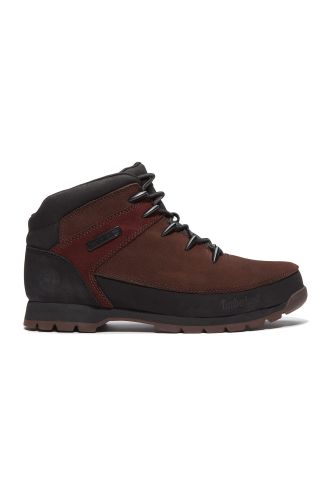

TIMBERLAND
Timberland Euro Sprint Hiker brown
168.75 €
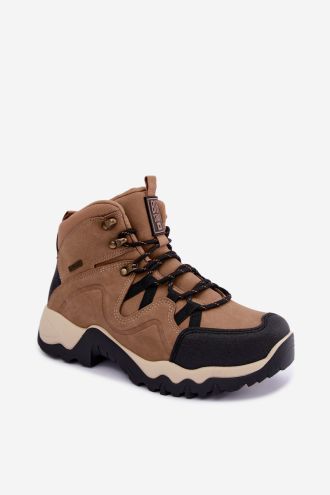
ISSALINE
Issaline - Men's trekking shoes Ciampac
35.99 €
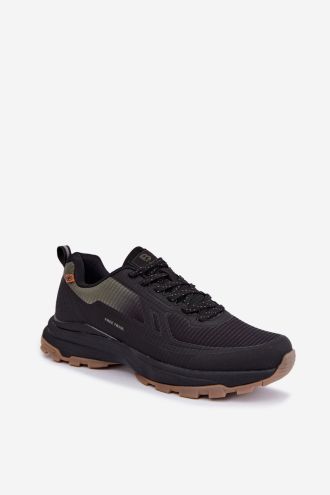
ON
Sneakers - On Cloudhorizon 2 Brown
213.75 €
HOKA
Hoka Anacapa 2 Mid GTX Men's Hiking Shoes
198.75 €
Men's High Hiking Shoes – Unyielding Support for Demanding Trails
When tackling rugged trails and challenging ascents, men's hiking shoes are essential, but for ultimate ankle support and protection on the most demanding routes, high hiking shoes are indispensable. Designed for stability and resilience, they are your reliable companion through varied terrain and weather.
These robust hiking shoes are engineered with advanced materials and construction to provide superior support, waterproofing, and grip. They are a crucial piece of gear for any man serious about conquering mountains and exploring wilderness paths.
Why Choose Men's High Hiking Shoes?
For men venturing onto challenging mountain trails, high hiking shoes are indispensable. Unlike lower-cut models, they provide crucial ankle support, protecting against sprains and twists on uneven surfaces. This enhanced stability, combined with durable construction, offers confidence and security on every step of your journey.
These specialized hiking shoes are designed for function first, ensuring maximum protection and comfort during long treks. They are built to withstand harsh conditions, offering features like waterproof membranes, aggressive outsoles for superior traction, and reinforced toe and heel areas for durability.
Unyielding Support, Protection, and Traction – What Men's High Hiking Shoes Offer
Men's high hiking shoes are crafted from robust and often waterproof materials, providing a secure and protected fit for your feet and ankles. Despite their rugged construction, modern designs incorporate breathable elements and cushioning to ensure comfort even on multi-day expeditions. They are specifically designed for the challenges of the outdoors, offering a blend of stability and endurance.
An Essential Choice for Challenging Hikes, Treks, and Mountain Expeditions
High hiking shoes are specifically designed for arduous conditions:
- For demanding trails – providing maximum ankle support and protection on uneven ground.
- For multi-day treks – offering comfort and durability for extended periods on foot.
- For varied weather conditions – often featuring waterproof and breathable membranes to keep feet dry.
This specialized design ensures that men's high hiking shoes are the ultimate choice for adventurers tackling rugged and unpredictable landscapes.
Key Features of Men's High Hiking Shoes
Choosing the right pair of men's high hiking shoes means understanding the crucial features that contribute to their performance and your safety on the trail. Each element is designed to enhance your hiking experience, from materials to sole construction.
How to Choose the Right Men's High Hiking Shoes
When selecting your high hiking shoes, it's vital to consider the terrain you'll encounter, the weather, and the duration of your hikes. Focus on key aspects like upper material, sole rigidity, waterproofing, and fit to ensure optimal performance and comfort. For example, some may prefer a classic brown pair for traditional appeal, while others might opt for a modern black design.
Upper Materials – Durability and Protection
The upper of men's high hiking shoes determines their durability, breathability, and water resistance. Common materials include full-grain leather, which offers excellent protection and molds to your foot over time, and synthetic fabrics like textile, which are lighter and dry faster. Some models also use suede for a blend of flexibility and durability.
Advanced constructions often combine these materials with waterproof-breathable membranes (like Gore-Tex) to keep your feet dry in wet conditions while allowing perspiration to escape. Color choices might include practical gray or outdoorsy khaki.
Key considerations for the upper:
- Material – choose between leather for durability and water resistance, or synthetics for lighter weight and faster drying.
- Waterproofing – look for integrated membranes if you expect wet conditions.
- Ankle Support – ensures stability on uneven and rocky terrain.
Midsole and Outsole – Cushioning, Stability, and Traction
The midsole of men's high hiking shoes is crucial for cushioning and support during long distances. Materials like polyurethane (PU) offer excellent durability and firmness, while EVA foam provides lighter cushioning. The outsole, often made with specialized rubber compounds, features aggressive lug patterns designed for superior grip on various surfaces, from loose dirt to slick rocks. A stiff sole offers better stability and protection against sharp objects, ideal for backpacking with heavy loads.
Fit and Comfort – Essential for Long Hikes
A proper fit is paramount for men's high hiking shoes to prevent blisters and ensure comfort on extended treks. Look for models that offer a snug fit around the heel to prevent slippage, ample toe room for natural foot expansion, and good arch support. The lacing system should allow for precise adjustment, securing your foot without creating pressure points. Consider trying on shoes with your typical hiking socks at the end of the day when your feet are slightly swollen.
Maintaining Your Men's High Hiking Shoes
Proper care of your men's high hiking shoes is essential to preserve their functionality, extend their lifespan, and maintain their waterproof properties. Regular cleaning and conditioning will ensure they continue to perform optimally on all your adventures.
This applies whether your shoes are a classic brown, a discreet black, or feature vibrant accents like green or red.
Cleaning Your Hiking Shoes – Steps for Longevity
- Remove laces and insoles – wash separately if needed.
- Brush off loose dirt – use a soft brush and lukewarm water.
- Clean with a specialized cleaner – designed for hiking shoe materials.
- Rinse thoroughly – ensure no cleaning product residue remains.
- Re-apply DWR (Durable Water Repellent) treatment – for waterproof models.
Drying and Storing – How to Preserve the Shape and Quality of Your Shoes
Proper drying and storage are critical for the longevity of your men's high hiking shoes. Incorrect methods can lead to material degradation, mold growth, and loss of shape or waterproof integrity.
Essential Details – Lacing, Tongue, and Rand for Performance
The small details in men's high hiking shoes significantly impact their overall performance and your comfort. A well-designed lacing system (e.g., D-rings, speed hooks) allows for precise tension adjustment across the foot and ankle. The tongue should be gusseted to prevent debris and water entry. A rubber rand around the shoe provides additional protection against abrasion from rocks and debris, extending the shoe's life and safeguarding your feet.
When to Choose High Hiking Shoes?
Men's high hiking shoes are specifically engineered for particular types of outdoor activities where their robust features truly shine. Knowing when to opt for them versus lighter hiking shoes or trail runners can greatly enhance your experience and safety.
Drying tips:
- Air dry at room temperature – away from direct heat sources (e.g., radiators, direct sun).
- Stuff with newspaper or paper towels – to absorb moisture and maintain shape. Change regularly.
- Allow complete drying – ensure shoes are fully dry before storing to prevent mildew.
Storing tips:
- Store in a cool, dry, well-ventilated area – away from extreme temperatures.
- Store in original box or breathable bag – to protect from dust and light.
- Keep away from chemicals – certain chemicals can degrade shoe materials.
| Area of Care | Recommendations | Why it is Important |
|---|---|---|
| Cleaning |
|
Preserves materials, maintains breathability and waterproofing, prevents odor. |
| Drying |
|
Prevents cracking, shrinking, mold growth, and material damage. |
| Storing |
|
Maintains shape, elasticity, and material integrity over time. |
FAQ – Frequently Asked Questions
How do high hiking shoes differ from regular hiking shoes?
High hiking shoes offer significantly more ankle support and protection due to their higher cut, making them ideal for rugged, uneven, or steep terrain. They typically feature stiffer soles, more durable materials, and often enhanced waterproofing compared to lower-cut hiking shoes, which are better suited for less challenging trails.
When should I definitely choose high hiking shoes?
You should opt for high hiking shoes when you are tackling multi-day treks, carrying a heavy backpack, navigating extremely rocky or root-filled trails, or expecting challenging weather conditions like rain or snow. Their superior ankle stability and robust protection are crucial in these scenarios.
Are high hiking shoes suitable for light day hikes?
While they can be used, high hiking shoes might be overkill for light day hikes on well-maintained trails. Their extra weight and stiffness can feel cumbersome. For such hikes, lighter low-cut hiking shoes or even trail running shoes might be more comfortable and appropriate.
Do all high hiking shoes offer waterproofing?
No, not all high hiking shoes are waterproof. Many are, featuring integrated waterproof-breathable membranes, but some models, especially those made primarily of leather, might be water-resistant but not fully waterproof unless treated. Always check the product specifications if waterproofing is a priority for you.
How do I break in new high hiking shoes?
Breaking in high hiking shoes is crucial to avoid discomfort on the trail. Start by wearing them around the house for short periods, then gradually increase to longer walks on familiar terrain. This allows the materials to soften and mold to your feet. Avoid wearing brand new shoes on a long, challenging hike.
What colors are common for men's high hiking shoes?
Common colors tend to be practical and earthy tones that blend with nature or hide dirt. Popular choices include black, gray, brown, and khaki. You might also find models with accents in green, blue, or red for a touch of vibrancy.
Can high hiking shoes be used for snowshoeing?
Yes, many men's high hiking shoes, especially those with good insulation and waterproofing, are suitable for snowshoeing. Their robust construction and ankle support are beneficial in snowy conditions. Ensure they are compatible with your snowshoe bindings.
What are the benefits of a stiff sole in high hiking shoes?
A stiffer sole provides better protection against sharp rocks and roots, reduces foot fatigue over long distances, and offers superior stability on uneven or steep terrain. This is particularly important when carrying a heavy pack, as it helps distribute the load and prevents the foot from flexing excessively.
Sort by
Filter
TIMBERLAND
Timberland Euro Sprint Hiker brown
168.75 €
ISSALINE
Issaline - Men's trekking shoes Ciampac
35.99 €
ON
Sneakers - On Cloudhorizon 2 Brown
213.75 €
HOKA
Hoka Anacapa 2 Mid GTX Men's Hiking Shoes
198.75 €
Men's High Hiking Shoes – Unyielding Support for Demanding Trails
When tackling rugged trails and challenging ascents, men's hiking shoes are essential, but for ultimate ankle support and protection on the most demanding routes, high hiking shoes are indispensable. Designed for stability and resilience, they are your reliable companion through varied terrain and weather.
These robust hiking shoes are engineered with advanced materials and construction to provide superior support, waterproofing, and grip. They are a crucial piece of gear for any man serious about conquering mountains and exploring wilderness paths.
Why Choose Men's High Hiking Shoes?
For men venturing onto challenging mountain trails, high hiking shoes are indispensable. Unlike lower-cut models, they provide crucial ankle support, protecting against sprains and twists on uneven surfaces. This enhanced stability, combined with durable construction, offers confidence and security on every step of your journey.
These specialized hiking shoes are designed for function first, ensuring maximum protection and comfort during long treks. They are built to withstand harsh conditions, offering features like waterproof membranes, aggressive outsoles for superior traction, and reinforced toe and heel areas for durability.
Unyielding Support, Protection, and Traction – What Men's High Hiking Shoes Offer
Men's high hiking shoes are crafted from robust and often waterproof materials, providing a secure and protected fit for your feet and ankles. Despite their rugged construction, modern designs incorporate breathable elements and cushioning to ensure comfort even on multi-day expeditions. They are specifically designed for the challenges of the outdoors, offering a blend of stability and endurance.
An Essential Choice for Challenging Hikes, Treks, and Mountain Expeditions
High hiking shoes are specifically designed for arduous conditions:
- For demanding trails – providing maximum ankle support and protection on uneven ground.
- For multi-day treks – offering comfort and durability for extended periods on foot.
- For varied weather conditions – often featuring waterproof and breathable membranes to keep feet dry.
This specialized design ensures that men's high hiking shoes are the ultimate choice for adventurers tackling rugged and unpredictable landscapes.
Key Features of Men's High Hiking Shoes
Choosing the right pair of men's high hiking shoes means understanding the crucial features that contribute to their performance and your safety on the trail. Each element is designed to enhance your hiking experience, from materials to sole construction.
How to Choose the Right Men's High Hiking Shoes
When selecting your high hiking shoes, it's vital to consider the terrain you'll encounter, the weather, and the duration of your hikes. Focus on key aspects like upper material, sole rigidity, waterproofing, and fit to ensure optimal performance and comfort. For example, some may prefer a classic brown pair for traditional appeal, while others might opt for a modern black design.
Upper Materials – Durability and Protection
The upper of men's high hiking shoes determines their durability, breathability, and water resistance. Common materials include full-grain leather, which offers excellent protection and molds to your foot over time, and synthetic fabrics like textile, which are lighter and dry faster. Some models also use suede for a blend of flexibility and durability.
Advanced constructions often combine these materials with waterproof-breathable membranes (like Gore-Tex) to keep your feet dry in wet conditions while allowing perspiration to escape. Color choices might include practical gray or outdoorsy khaki.
Key considerations for the upper:
- Material – choose between leather for durability and water resistance, or synthetics for lighter weight and faster drying.
- Waterproofing – look for integrated membranes if you expect wet conditions.
- Ankle Support – ensures stability on uneven and rocky terrain.
Midsole and Outsole – Cushioning, Stability, and Traction
The midsole of men's high hiking shoes is crucial for cushioning and support during long distances. Materials like polyurethane (PU) offer excellent durability and firmness, while EVA foam provides lighter cushioning. The outsole, often made with specialized rubber compounds, features aggressive lug patterns designed for superior grip on various surfaces, from loose dirt to slick rocks. A stiff sole offers better stability and protection against sharp objects, ideal for backpacking with heavy loads.
Fit and Comfort – Essential for Long Hikes
A proper fit is paramount for men's high hiking shoes to prevent blisters and ensure comfort on extended treks. Look for models that offer a snug fit around the heel to prevent slippage, ample toe room for natural foot expansion, and good arch support. The lacing system should allow for precise adjustment, securing your foot without creating pressure points. Consider trying on shoes with your typical hiking socks at the end of the day when your feet are slightly swollen.
Maintaining Your Men's High Hiking Shoes
Proper care of your men's high hiking shoes is essential to preserve their functionality, extend their lifespan, and maintain their waterproof properties. Regular cleaning and conditioning will ensure they continue to perform optimally on all your adventures.
This applies whether your shoes are a classic brown, a discreet black, or feature vibrant accents like green or red.
Cleaning Your Hiking Shoes – Steps for Longevity
- Remove laces and insoles – wash separately if needed.
- Brush off loose dirt – use a soft brush and lukewarm water.
- Clean with a specialized cleaner – designed for hiking shoe materials.
- Rinse thoroughly – ensure no cleaning product residue remains.
- Re-apply DWR (Durable Water Repellent) treatment – for waterproof models.
Drying and Storing – How to Preserve the Shape and Quality of Your Shoes
Proper drying and storage are critical for the longevity of your men's high hiking shoes. Incorrect methods can lead to material degradation, mold growth, and loss of shape or waterproof integrity.
Essential Details – Lacing, Tongue, and Rand for Performance
The small details in men's high hiking shoes significantly impact their overall performance and your comfort. A well-designed lacing system (e.g., D-rings, speed hooks) allows for precise tension adjustment across the foot and ankle. The tongue should be gusseted to prevent debris and water entry. A rubber rand around the shoe provides additional protection against abrasion from rocks and debris, extending the shoe's life and safeguarding your feet.
When to Choose High Hiking Shoes?
Men's high hiking shoes are specifically engineered for particular types of outdoor activities where their robust features truly shine. Knowing when to opt for them versus lighter hiking shoes or trail runners can greatly enhance your experience and safety.
Drying tips:
- Air dry at room temperature – away from direct heat sources (e.g., radiators, direct sun).
- Stuff with newspaper or paper towels – to absorb moisture and maintain shape. Change regularly.
- Allow complete drying – ensure shoes are fully dry before storing to prevent mildew.
Storing tips:
- Store in a cool, dry, well-ventilated area – away from extreme temperatures.
- Store in original box or breathable bag – to protect from dust and light.
- Keep away from chemicals – certain chemicals can degrade shoe materials.
| Area of Care | Recommendations | Why it is Important |
|---|---|---|
| Cleaning |
|
Preserves materials, maintains breathability and waterproofing, prevents odor. |
| Drying |
|
Prevents cracking, shrinking, mold growth, and material damage. |
| Storing |
|
Maintains shape, elasticity, and material integrity over time. |
FAQ – Frequently Asked Questions
How do high hiking shoes differ from regular hiking shoes?
High hiking shoes offer significantly more ankle support and protection due to their higher cut, making them ideal for rugged, uneven, or steep terrain. They typically feature stiffer soles, more durable materials, and often enhanced waterproofing compared to lower-cut hiking shoes, which are better suited for less challenging trails.
When should I definitely choose high hiking shoes?
You should opt for high hiking shoes when you are tackling multi-day treks, carrying a heavy backpack, navigating extremely rocky or root-filled trails, or expecting challenging weather conditions like rain or snow. Their superior ankle stability and robust protection are crucial in these scenarios.
Are high hiking shoes suitable for light day hikes?
While they can be used, high hiking shoes might be overkill for light day hikes on well-maintained trails. Their extra weight and stiffness can feel cumbersome. For such hikes, lighter low-cut hiking shoes or even trail running shoes might be more comfortable and appropriate.
Do all high hiking shoes offer waterproofing?
No, not all high hiking shoes are waterproof. Many are, featuring integrated waterproof-breathable membranes, but some models, especially those made primarily of leather, might be water-resistant but not fully waterproof unless treated. Always check the product specifications if waterproofing is a priority for you.
How do I break in new high hiking shoes?
Breaking in high hiking shoes is crucial to avoid discomfort on the trail. Start by wearing them around the house for short periods, then gradually increase to longer walks on familiar terrain. This allows the materials to soften and mold to your feet. Avoid wearing brand new shoes on a long, challenging hike.
What colors are common for men's high hiking shoes?
Common colors tend to be practical and earthy tones that blend with nature or hide dirt. Popular choices include black, gray, brown, and khaki. You might also find models with accents in green, blue, or red for a touch of vibrancy.
Can high hiking shoes be used for snowshoeing?
Yes, many men's high hiking shoes, especially those with good insulation and waterproofing, are suitable for snowshoeing. Their robust construction and ankle support are beneficial in snowy conditions. Ensure they are compatible with your snowshoe bindings.
What are the benefits of a stiff sole in high hiking shoes?
A stiffer sole provides better protection against sharp rocks and roots, reduces foot fatigue over long distances, and offers superior stability on uneven or steep terrain. This is particularly important when carrying a heavy pack, as it helps distribute the load and prevents the foot from flexing excessively.